What time does Uluru change colour? If I had a dollar for every time some bloke asked me that while driving past the dunes of Uluru-Kata Tjuta National Park, I’d probably be sipping on a cold one and putting my feet up back at Ayers Rock Resort. I’m Paul Beames, and after decades of showing people around Australia’s Red Centre – sometimes with Uluru Tour packages in tow – I’ve seen Ayers Rock light up like a fire in the distance more times than I can even begin to count.
The short answer is it changes around sunrise and sunset, with the most impressive colour changes occurring in the 30 minutes before and after the sun actually sets or rises. But the full story — the one that’ll actually help you plan around the crowds, tour buses, viewing areas, and all the seasonal stuff – that’s where the good bit comes in.
Contents
Why Light Transforms the Rock in the Desert
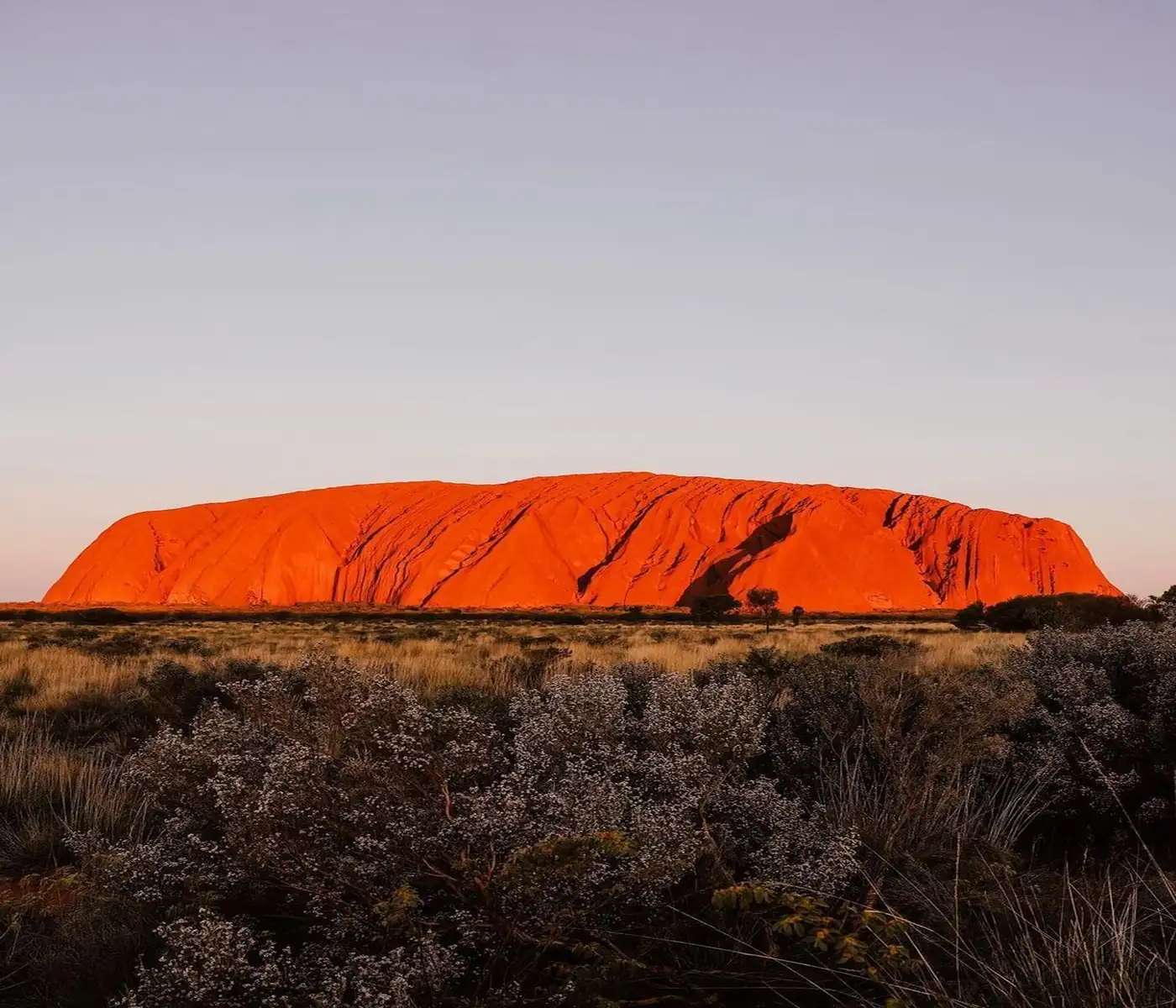
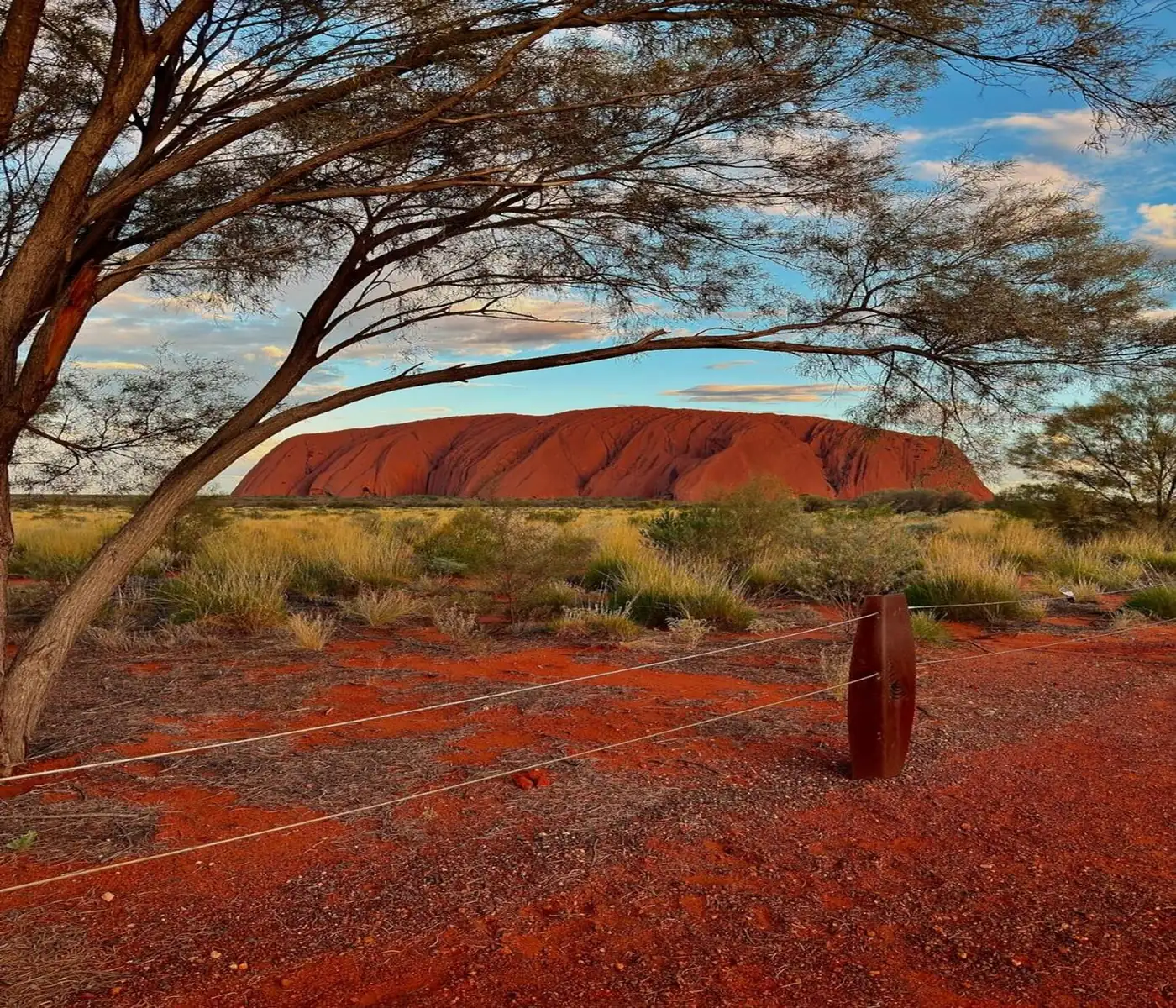
Uluru’s colour show is all about its rock texture, iron minerals, and the way they oxidise, turning the surface into the famous red iron oxide. When the sun hits the rock at the right angle, it lights up a display of spectral colours, shifting from deep purples to warm, earthy reds across the rock formations.
Early morning and late arvo are when the sun slinks low across the Red Desert, sending its warm light bouncing off dust particles floating in from the plains. That’s when you can see the full change – the glow, the fade and the subtle colour shift as the shadow of the earth’s horizon starts creeping up.
Seasonal Timing
You’ll want to get to the viewing platforms well before the action starts. The colour phases change pretty darn quick in the Australian Outback, and the desert doesn’t tolerate slow pans or anything like it.
A good rule of thumb:
- Get there 45 minutes before sunrise/sunset
- Stick around for 30 minutes after, even if half the car park empties out early
Uluru Sunrise & Sunset Timing Table
| Season (Uluru Region) | Sunrise Range | Sunset Range | Colour Change “Peak Window” | Notes |
|---|---|---|---|---|
| Winter (Jun–Aug) | 7:10–7:30 am | 5:45–6:00 pm | 30 mins before & after | Cold mornings, clear skies, great for Sunrise at Uluru. |
| Spring (Sep–Nov) | 6:20–6:45 am | 6:45–7:15 pm | 20–30 min either side | Warmer evenings, flies get feisty. |
| Summer (Dec–Feb) | 5:30–6:10 am | 7:30–8:00 pm | 10–20 min either side | Wild storms and haze over the desert landscape. |
| Autumn (Mar–May) | 6:45–7:10 am | 6:30–6:50 pm | 20–30 min either side | Clear skies ideal for photographers. |
Best Lookouts for Sunrise & Sunset
Years ago, I made some silly mistakes – including parking a bus at the wrong sand dune and giving 40 travellers a view of Uluru’s dark side at sunrise. Now I stick to the tried-and-tested viewing spots that pretty much guarantee the best colour phases.
Talinguru Nyakunytjaku (Sunrise Platform)
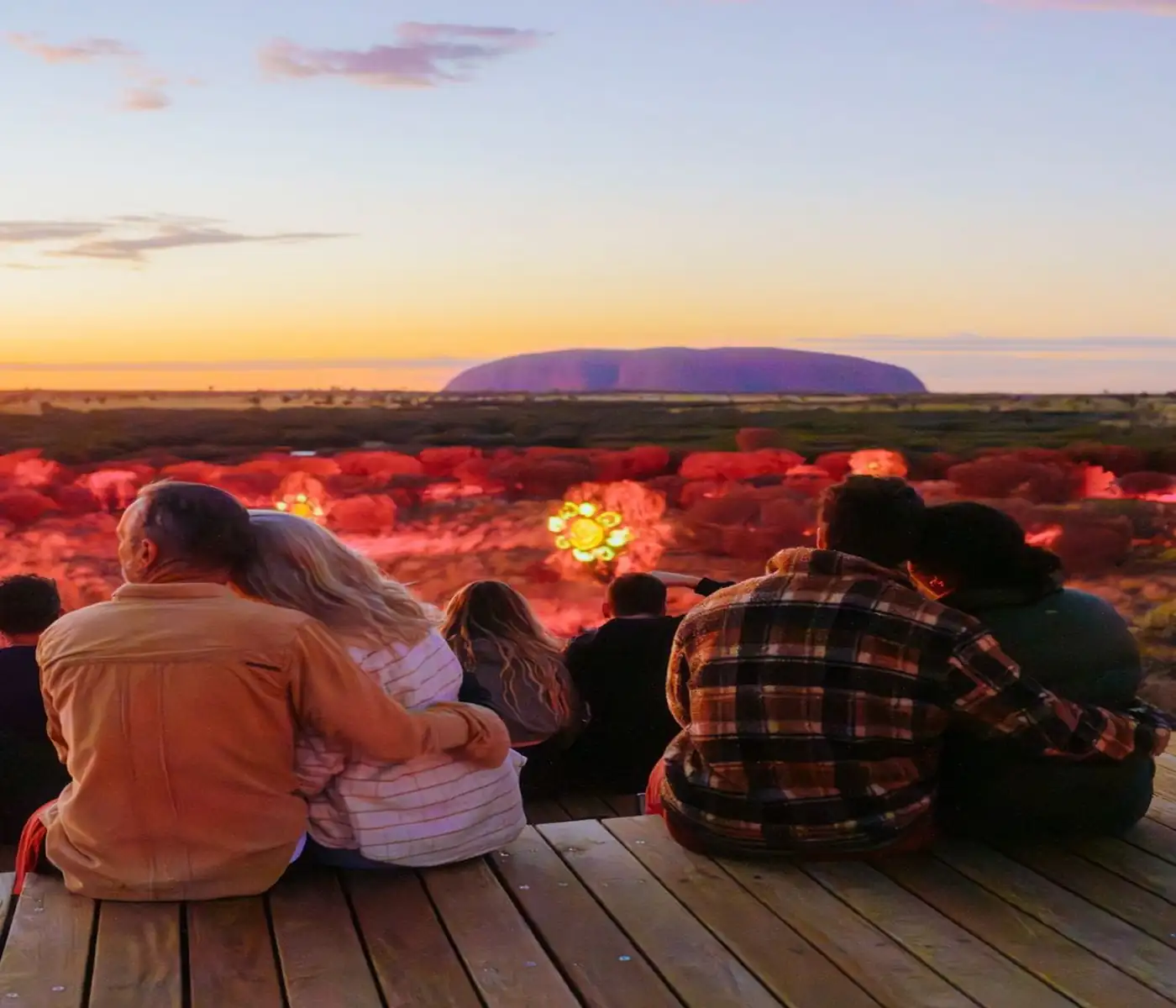
This platform has amazing views of both Uluru and Kata Tjuta – it’s built high on a sand dune, giving you a 360-degree view of the desert surroundings, perfect for that early morning colour explosion.
Sunset Car Viewing Area
Purpose-built for the fiery evening light display. You’ll find crowds and a parade of tour buses, but the colours here are just absolutely superb.
Kata Tjuta Dune Viewing Area
A quieter spot to take in the domes – Walpa Gorge and the surrounding land. The terracotta curves catch the light differently than Uluru, giving you a more interesting colour show.
Wherever you end up standing, remember the rock doesn’t just change once – it keeps changing as you move around. A few metres either side of your spot can reveal all sorts of new tones in the rock faces and even hints of ancient rock art near the base trails like Mala Walk and Mutitjulu Waterhole.
How Weather and Light Change the Rock
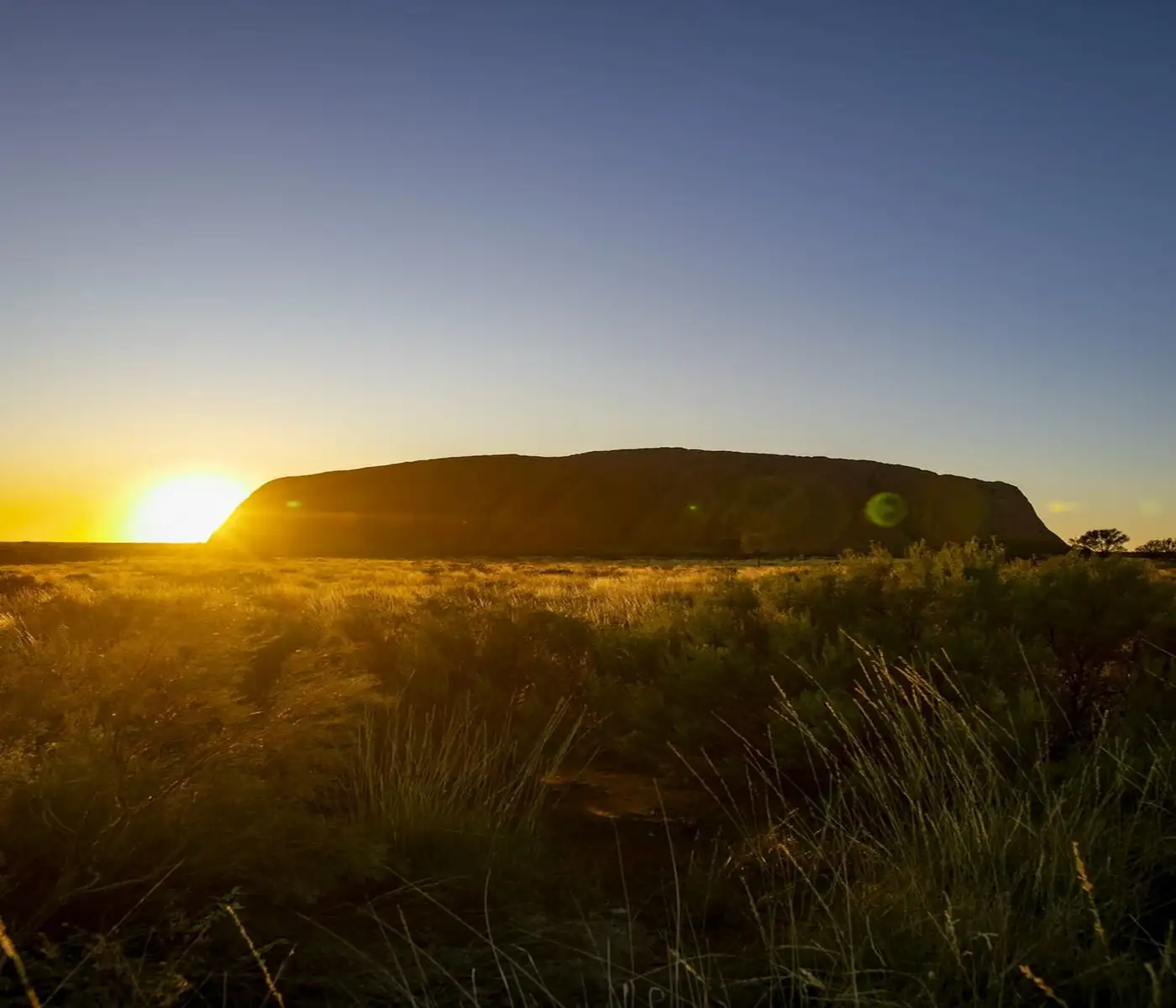
The Red Centre weather is really a pretty wild card, and it absolutely affects the show.
Clear Skies
Vibrant oranges, sharp contrasts – perfect for anyone out on the Uluru Base Walk or exploring the Mala Walk and Kuniya Piti before the heat really starts to get going.
Dust Haze
Late in the dry season, all that dust can pull deeper reds from the rock, and sometimes it looks like the rock is just bubbling over with molten lava. Great for photographers but not so good for your sinuses.
Storm Season
Thunderstorms rolling in over Kata Tjuta National Park and heading towards Uluru can throw all sorts of weird and wonderful colours across the rock. Keep safe though – muddy tracks and water restrictions can pop up pretty fast.
Full Moon Nights
A glowing moon can just wash the rock in a silver light, and if you stick around after sunset, you might get some great night shots – the Milky Way often puts on a great show up in the skies away from all the Ayers Rock Resort lights.
When to Arrive
As for what camera you bring – be it a fancy DSLR or just your phone – timing affects everything in the outback.
Want those warm golden tones?
Get there about 45 minutes before sunrise or 1 hour before sunset.
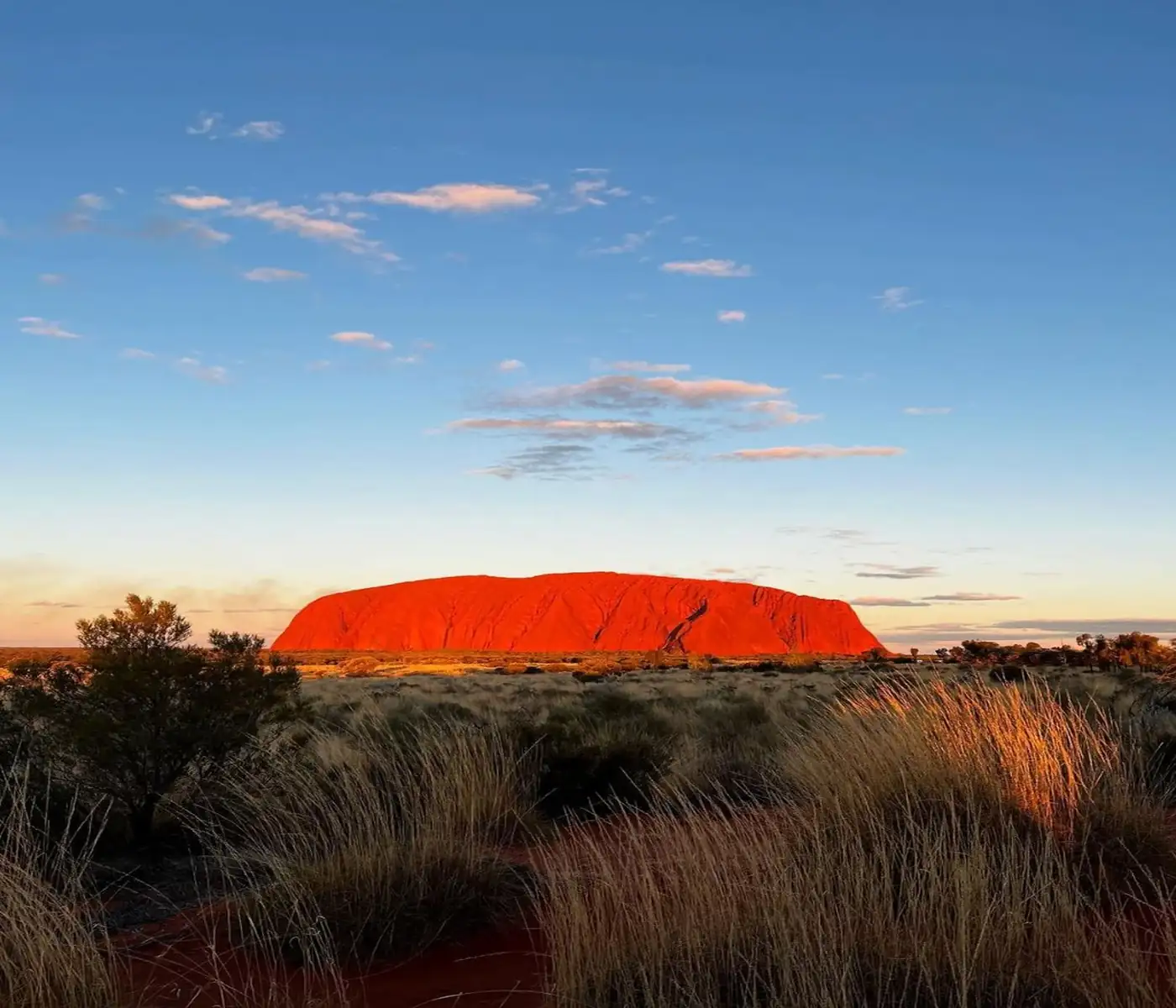
Looking for deep reds and fiery edges?
Get there right on the nose when the sun hits the horizon – the rock’s iron content really comes to life then.
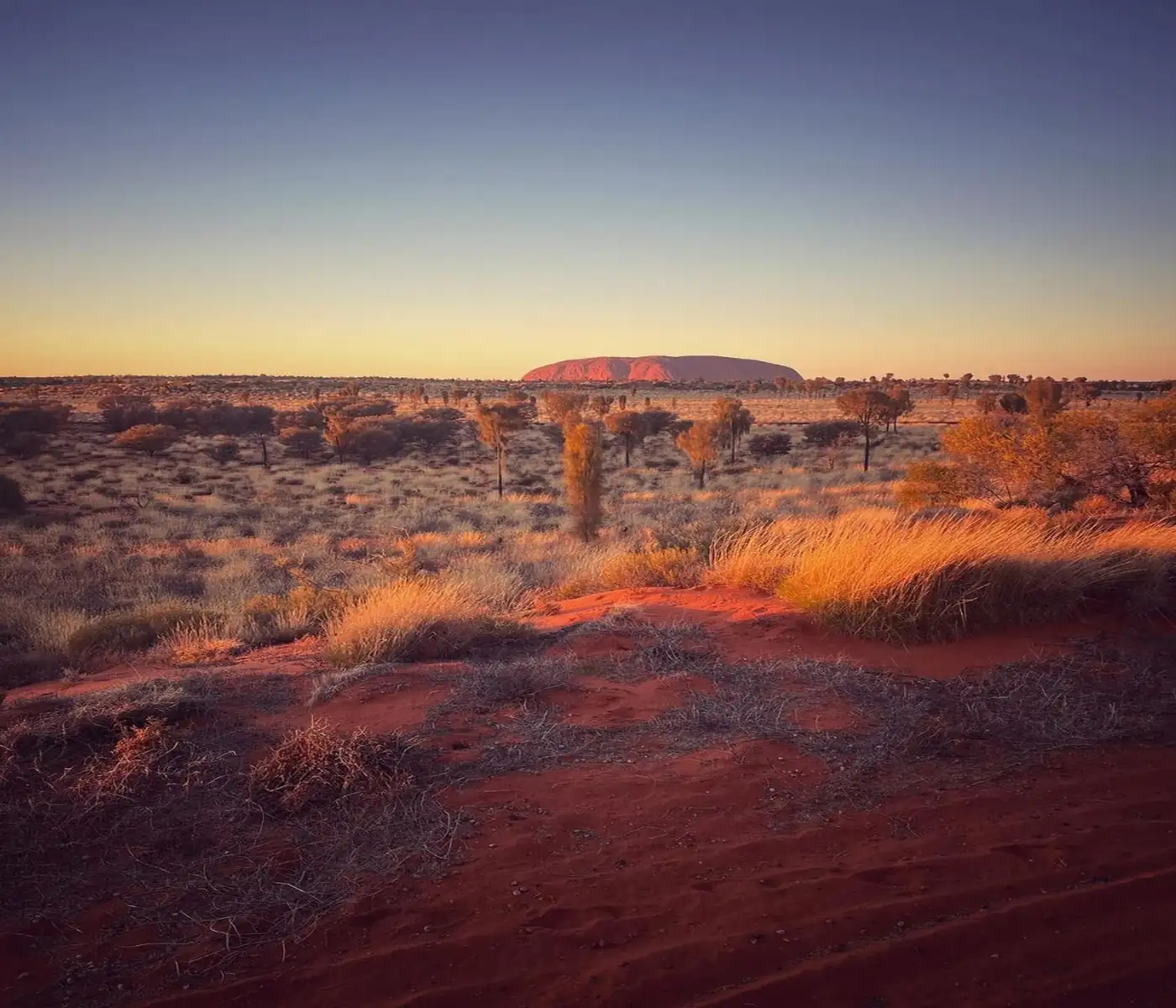
Prefer pastels and quiet tones?
Stick around 20-40 minutes after the main event. Most people leave early to get to dinner or drinks back at the resort.
Field Notes from Decades in the Red Centre
Some memories stick like barnacles long after the red dust has finally been rinsed from your socks.
Cultural Moments That Stick:
Just standing near Mutitjulu Waterhole and listening to an Anangu ranger spin some yarns about Mala shamans tied to the cliffs is just something that gets lodged in your brain.
Reflecting on History:
Watching tourists pause for a bit at the Cultural Centre while they try to wrap their heads around Uluru’s story and its connection to all those big national moments – National Sorry Day, Mabo Day – and the impact of Eddie Mabo and the High Court decision that turned everything on its head about Aboriginal law and what we thought we knew about Aboriginal communities.
Night Skies:
Lying under the stars at a Sounds of Silence dinner, the Milky Way blazing bright, and you can only think about the hidden waterways carrying life beneath the rock.
How to Plan (Simple Checklist)
Pack the Essentials:
- NT Parks Pass for getting into Uluru-Kata Tjuta National Park
- Your camera and extra batteries
- Water (we’re talking at least 2–3 litres here)
- Fly net if it’s the warmer months
- Warm layers, just in case it gets chilly
- A headlamp for those early morning starts
- A sense of respect for the place, especially sacred sites, Aboriginal art, and those incredible rock paintings
Work Out Your Plan:
- When the car park opens
- View tours and airport transfers
- Trail conditions on the base trail, Kantju Gorge, and Walpa Gorge
- Keep an eye out for seasonal closures after rain – otherwise the tracks get pretty rough
FAQ
When exactly does Uluru turn red?
Around sunrise and sunset – but the really dramatic colour shifts happen 10-30 minutes either side of the horizon.
Does the rock change colour during the day?
Yeah – it just does it slowly. All those famous moments happen during the golden hours.
Why does Uluru change colour in the first place?
It’s the iron oxide coating and a process called oxidation that interacts with low-angle sunlight and dust particles to give you all those shifting colours.
Can you still climb Uluru?
No – climbing Uluru is closed for good – and that’s in line with what the Traditional Owners have said.
Sunset or sunrise -which one is better for photos?
It depends on a million things: the season, dust, clouds, where you are standing – but both are worth persevering with.